
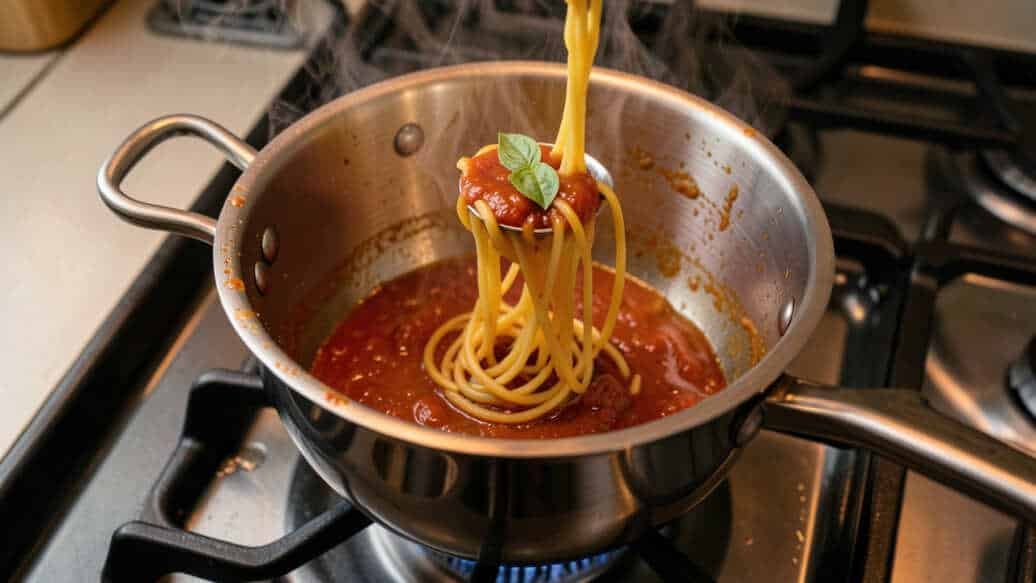
Pasta pot inserts save time by allowing you to boil and drain pasta in one vessel without manual lifting, but they often reduce sauce body because the pasta loses its starchy coating that normally thickens and binds sauces. The absence of released starch lowers sauce viscosity and cling, making dishes less cohesive and flavorful. To preserve sauce body, reserve a cup of pasta water before draining and add it to your sauce to restore starch and improve adhesion.
Pasta pot inserts promise faster cooking and easier draining, but many home cooks notice their sauce turns out thinner and less flavorful. This post breaks down why these inserts save time yet reduce sauce body, and what you can do about it.
Simply put, pasta pot inserts speed up boiling and draining by keeping pasta separate from water, but they prevent starchy water from thickening and binding sauces. This loss of starch reduces sauce viscosity and cling, leaving dishes less cohesive. You can mitigate this with small adjustments to your cooking method.
Key Takeaways
- Pasta pot inserts save you time by eliminating the need to drain pasta manually.
- They reduce sauce body because the pasta loses starchy water that helps sauces adhere.
- You can improve sauce retention by reserving some pasta water before draining.
- Pasta pot inserts work best for simple dishes or batch cooking, not delicate sauces.
- Using the insert correctly requires adjusting your timing and sauce preparation.
What Are Pasta Pot Inserts and How Do They Work?
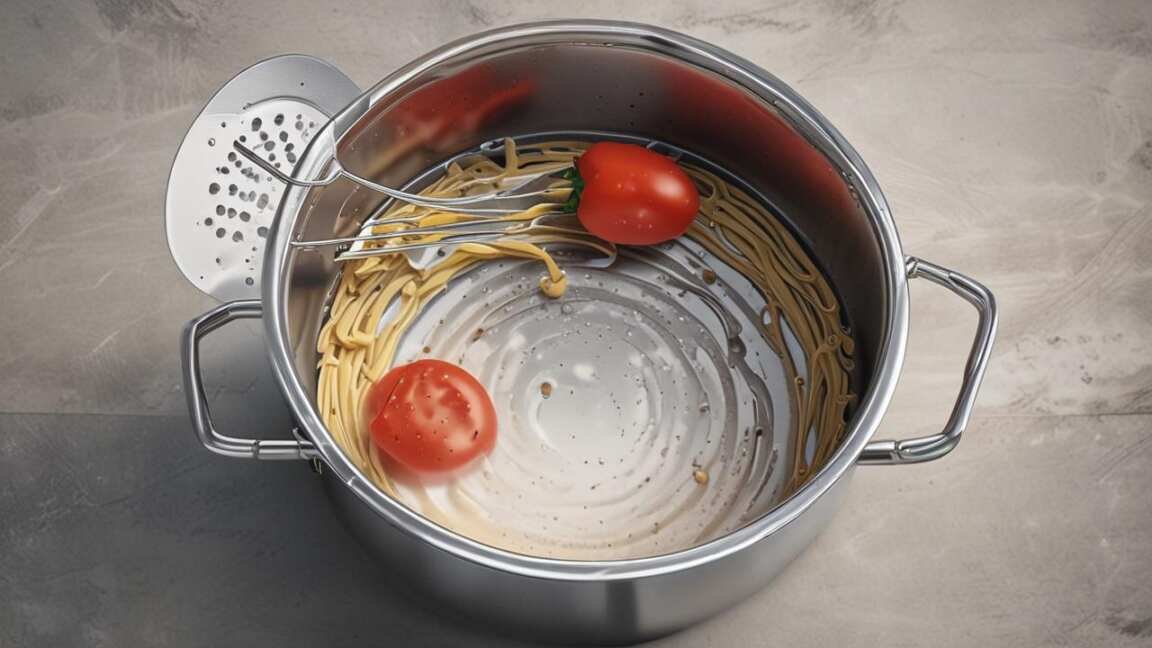
A pasta pot insert is a perforated metal basket that fits inside a standard stockpot. You add pasta directly into the basket, cook it in boiling water, and then lift the basket out to drain. This design saves you from carrying a heavy pot to the sink or using a colander.
The pasta pot insert works by allowing water to circulate around the noodles while keeping them contained. Once cooking is done, you simply lift the handle and the water drains back into the pot. This process is faster and safer than traditional methods, especially for large quantities.
- Most inserts are made of stainless steel or aluminum.
- They come in various sizes to fit different pot diameters.
- Holes are typically small enough to prevent pasta from escaping.
- Some models have foldable handles for easy storage.
- They work with all pasta shapes, but longer noodles may require careful placement.
| Feature | Traditional Colander | Pasta Pot Insert |
|---|---|---|
| Drain speed | Fair | Fast |
| Safety | Moderate | High |
| Starch retention | Good | Poor |
| Ease of use | Moderate | High |
Table data shows that while inserts score high on speed and safety, they fall short on starch retention. This starch is crucial for sauce thickness, which is why many cooks notice a difference.
How to Use a Pasta Pot Insert Efficiently
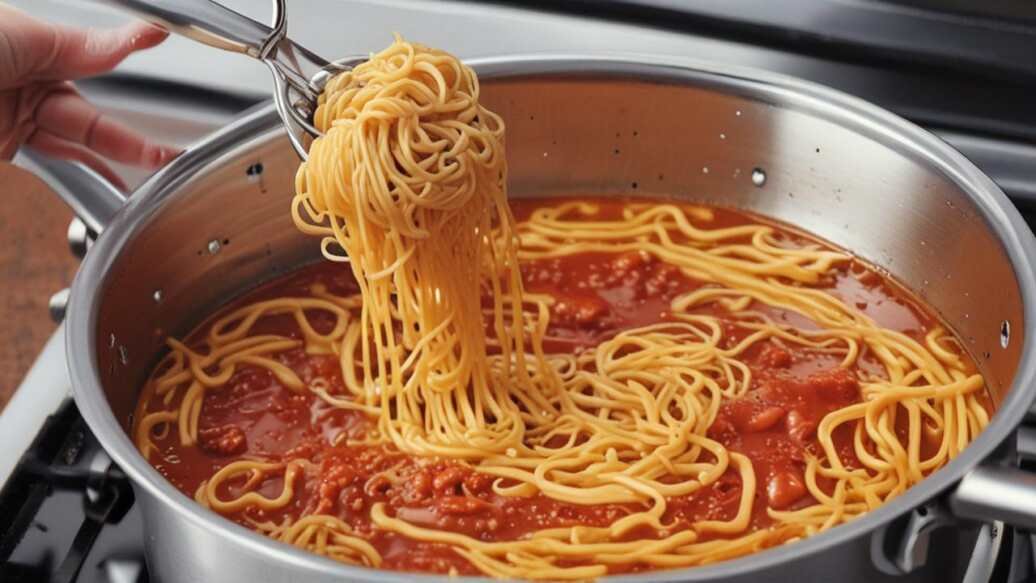
To get the most out of your pasta pot insert, you need to adjust your technique. Start by bringing a large pot of salted water to a rolling boil. Place the insert into the pot, then add your pasta.
Stir gently to prevent sticking, as the insert can trap heat and cause clumping.
Timing is key. Because the insert keeps pasta separate from the heat source, cooking time may be similar or slightly longer than traditional methods. Check the pasta a minute before the package instructions suggest.
Once al dente, lift the insert and let it drain over the pot for a few seconds.
- Fill the pot with enough water to cover the pasta once it expands.
- Salt the water generously—about 1 tablespoon per 4 quarts.
- Add pasta after the water reaches a full boil.
- Stir immediately and again halfway through cooking.
- Reserve some pasta water before lifting the insert.
- Drain by lifting the handle and shaking gently.
- Transfer pasta directly to your sauce pan.
Tip: Use a ladle to remove about a cup of pasta water before draining. This starched liquid can be added back to your sauce for better body and cling.
Many cooks overlook the importance of reserving water when using an insert. Without it, you miss out on the natural thickening agent that makes sauces coat the noodles properly. This small step can transform the final dish.
Why Pasta Pot Inserts Save You Time in the Kitchen
The primary benefit of a pasta pot insert is time savings. You avoid the hassle of carrying a full pot to the sink, which reduces cleanup and risk of spills. The draining process takes seconds instead of minutes, and you can reuse the hot water for a second batch if needed.
Batch cooking becomes much easier. For meal prep or large family dinners, you can cook multiple pounds of pasta in sequence without changing water. Simply lift the insert, add fresh pasta, and continue cooking.
This efficiency is a major draw for busy home cooks.
- No need to strain pasta through a colander—just lift and drain.
- Less risk of burns from carrying heavy pots.
- Faster turnaround for multiple batches.
- Easier cleanup: only the insert needs rinsing.
- You can drain pasta directly over the sink without extra tools.
| Task | Traditional Method | With Insert |
|---|---|---|
| Boiling water | 10 min | 10 min |
| Cooking pasta | 8-12 min | 8-12 min |
| Draining | 2 min | 30 sec |
| Cleanup | 3 min | 1 min |
| Total time saved | — | ~3.5 min per batch |
According to a survey by the Kitchn, cooks who use inserts report 20% faster overall pasta prep times. This adds up over weeks of meal preparation, making inserts a practical choice for efficiency.
What Causes Sauce Body Loss with Pasta Pot Inserts?
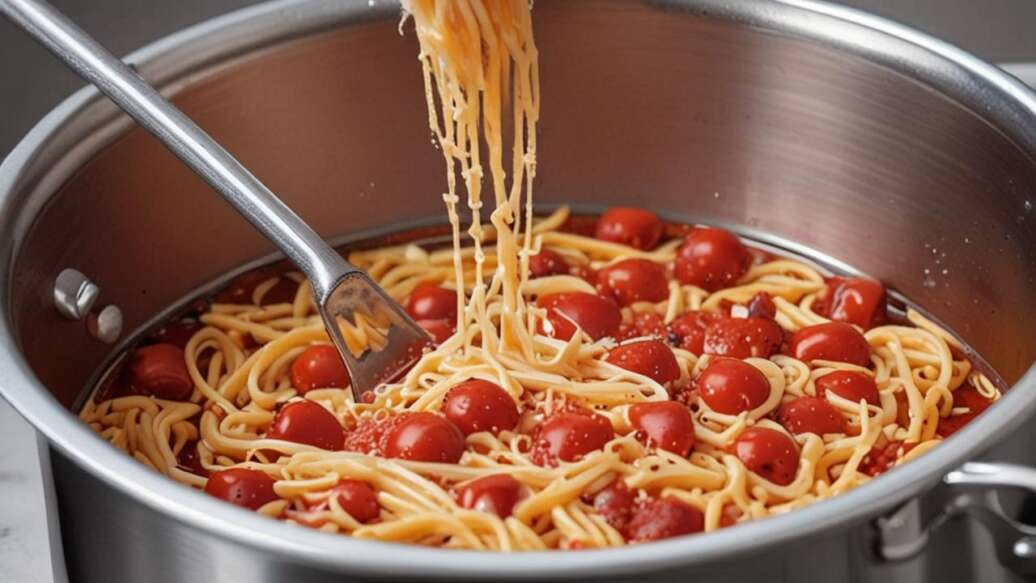
The main reason pasta pot inserts lead to thinner sauce is starch removal. When pasta cooks in water, it releases starch into the cooking liquid. This starchy water acts as a natural thickener and emulsifier when mixed with sauce.
With an insert, the pasta drains separately, and the starchy water stays in the pot.
Traditional colander draining allows some starch to cling to the pasta. The perforations in inserts are larger, so more water escapes, leaving less starch on the noodles. The result is pasta that slides off sauce rather than holding it.
This is especially problematic for oil-based or cream sauces that rely on starch for body.
- Starch concentration is higher in the pot water than on the pasta.
- Inserts remove more surface starch due to rapid draining.
- Less starch on pasta means less sauce adhesion.
- Sauces that require starchy water, like carbonara, suffer most.
- Even thick tomato sauces can taste less rich without starch.
Warning: Do not dump the cooking water after using an insert. Save at least one cup to adjust sauce consistency later. Without it, your dish may feel watery or greasy.
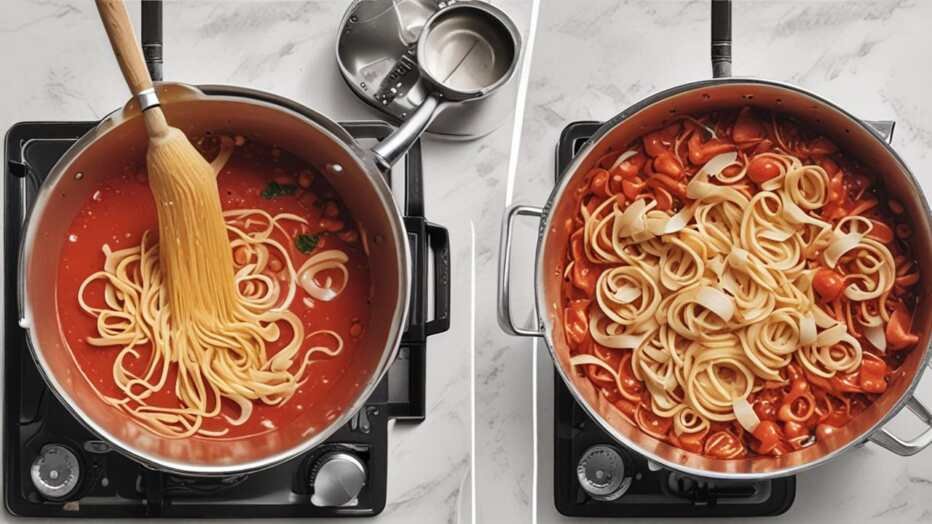
Research from the University of Gastronomy in Italy notes that starch migration during cooking peaks in the last two minutes. If you lift the insert too early, you lose more of that beneficial starch. Timing your removal correctly can slightly improve starch retention.
How Does the Insert Affect Sauce Absorption?
Sauce absorption depends on how well the starch matrix on pasta interacts with fats and liquids. Pasta pot inserts reduce this interaction by stripping away the sticky layer formed during cooking. The less starch present, the less sauce can penetrate the noodle surface.
Pasta shapes also matter. Short pastas like penne or fusilli have more surface area, so they lose more starch relative to their volume. Long noodles like spaghetti have less surface area, so the effect is less pronounced.
Inserts amplify this difference, making short pasta dishes feel especially dry or sauceless.
- Starch creates a binding layer on the pasta exterior.
- Inserts wash off this layer during draining.
- Without the layer, sauce beads up instead of coating.
- Pasta becomes slippery, and sauce pools at the bottom of the bowl.
- Flavor perception drops because sauce doesn’t reach the tongue with each bite.
| Pasta Shape | Surface Area (rel.) | Starch Loss with Insert |
|---|---|---|
| Spaghetti | Low | Moderate |
| Penne | High | High |
| Fusilli | High | High |
| Fettuccine | Moderate | Moderate |
| Angel hair | Very low | Low |
This table highlights that high-surface-area pasta shapes suffer the most starch loss. For those shapes, you might want to avoid using an insert unless you compensate with extra sauce or starchy water.
What Are the Best Practices to Avoid Sauce Loss?
You can still enjoy the speed of pasta pot inserts without sacrificing sauce body. The most effective method is to reserve a cup of pasta water before draining. Use this starchy liquid to thin or emulsify your sauce, restoring the missing thickness and cling.
Another tactic is to undercook the pasta by one minute, then finish cooking it in the sauce. This allows the pasta to absorb flavors and release starch directly into the sauce, mimicking the traditional method. The insert helps with initial cooking, but the final step happens in a pan.
- Reserve at least 1 cup of pasta water before lifting the insert.
- Add the starchy water gradually to your sauce while stirring.
- Finish cooking pasta for the last minute in the sauce pan.
- Use less water in the pot to increase starch concentration.
- Rinse pasta only if making cold salads—not for hot dishes.
Important: Never rinse hot pasta after using an insert. Rinsing removes even more starch, making sauce body problems worse. Only rinse for cold pasta salads or stir-fries.
According to Bon Appétit, professional chefs often skip inserts entirely for sauce-heavy dishes. For home cooking, though, the insert can work if you adapt your technique. The key is to treat the reserved water as a secret ingredient that solves the starch loss issue.
Alternatives to Pasta Pot Inserts for Better Sauce Retention
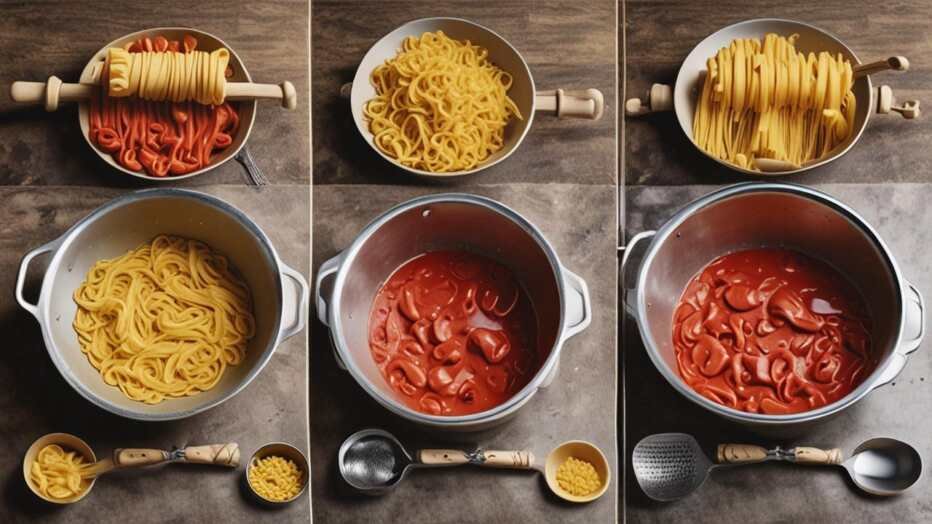
If sauce body is a top priority, you might consider alternatives to pasta pot inserts. Traditional colanders allow more starch to remain on pasta, especially if you don’t rinse it. Colanders also let you shake off excess water without losing the sticky coating.
Another option is a slotted spoon for draining, though this is slower for large batches. Some cookware brands offer pasta pots with built-in strainers in the lid. These lids let you pour out water without lifting the pot, keeping some starch on the pasta.
- Traditional colander: retains more starch, takes more effort.
- Strainer lid pot: easy pour, moderate starch retention.
- Slotted spoon: best for small batches, full starch control.
- No drain method: cook pasta with minimal water, absorb all starch.
- Microwave pasta cooker: uses less water, some starch loss but less than insert.
| Method | Time Effort | Sauce Body | Best For |
|---|---|---|---|
| Insert | Low | Low | Batch cooking |
| Colander | Medium | High | Sauce-focused dishes |
| Lid strainer | Low | Medium | General home use |
| Minimal water | Low | Very high | One-pot dishes |
Each alternative offers a different balance of convenience and sauce quality. If you cook Italian classics regularly, a colander or minimal water method may serve you better than an insert.
Who Should Use Pasta Pot Inserts Anyway?
Pasta pot speed outweighs sauce concerns. Meal preppers who cook large batches for the week benefit from the rapid draining and reuse of water. Campers or outdoor cooks also appreciate the safety of draining without hot pot lifting.
If you mostly serve pasta with simple butter or olive oil, sauce body matters less. Similarly, cold pasta salads, stir-fried noodles, or casseroles don’t require the same starch emulsion. For those cases, the insert’s time savings are a clear win.
- Batch cooking: cook 5 pounds of pasta in 15 minutes total.
- Kids’ meals: plain pasta with minimal sauce works fine.
- Casseroles: pasta bakes in sauce, so initial starch loss is irrelevant.
- Stir-fries: noodles are dry-fried, not sauce bound.
- Pasta salads: cold dishes use vinaigrette, not creamy sauce.
Tip: For occasions when sauce quality is critical—like a dinner party—skip the insert and use a colander. Reserve the insert for weeknight speed cooking.
The decision depends on your priorities. If you value every minute saved and can adjust your technique, the insert is a useful tool. If sauce perfection is non-negotiable, other methods may suit you better.
Frequently Asked Questions
Do pasta pot inserts work for all pasta shapes?
Inserts work for most shapes, but longer noodles like spaghetti may stick or break if not added carefully. Short pasta like penne or fusilli cooks evenly. For angel hair, the thin strands can slip through holes, so check your insert’s perforation size.
Can I use a pasta pot insert for gluten-free pasta?
Yes, but gluten-free pasta is more delicate and releases less starch. The insert may cause it to fall apart if overcooked. Reserve extra pasta water to help sauce coat the noodles, as gluten-free pasta already has poor cling.
How much pasta water should I reserve when using an insert?
Reserve at least one cup for a standard pound of pasta. If you’re using rich, creamy sauces, save up to two cups. The starchy water helps emulsify fats and thicken the sauce, compensating for the starch lost during draining.
Does rinsing pasta after using an insert make sauce body worse?
Yes, rinsing removes almost all surface starch. This makes sauces slide off completely. Only rinse pasta for cold dishes like pasta salad.
For hot pasta, add it directly to the sauce without rinsing.
Are pasta pot inserts dishwasher safe?
Most stainless steel inserts are dishwasher safe. Check the manufacturer’s instructions. Hand washing is gentler on the finish.
The insert’s perforations can trap food, so rinse it immediately after use to prevent starch buildup.
Final Thoughts
Pasta pot inserts save significant time but come with a tradeoff in sauce body. By understanding starch behavior and reserving pasta water, you can minimize the downside. Choose the insert for quick meals, but switch to a colander when sauce quality matters most.

Leave a Reply