
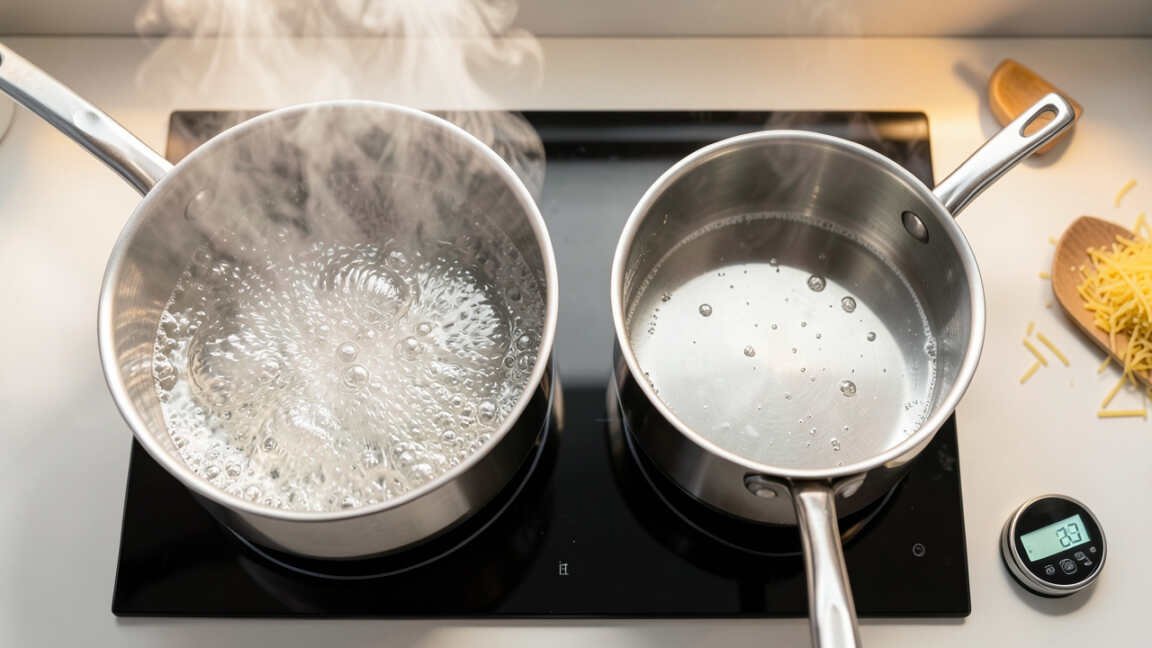
Stockpot diameter directly affects pasta water boil time because a wider pot with greater surface area allows more heat transfer from the burner to the water, resulting in faster boiling. A wide, shallow pot of equal volume will boil consistently faster than a tall, narrow pot due to increased contact with the heat source and reduced water depth. For the fastest boil, choose a stockpot with a diameter that matches or slightly exceeds your largest burner and always use a lid to further reduce time and energy consumption.
Stockpot diameter affects pasta water boil time more directly than most home cooks realize. Understanding this relationship helps you save time, energy, and cook better pasta. This guide breaks down the science and gives you practical tips for choosing the right pot.
Simply put, a wider stockpot boils water faster than a narrow one with the same volume. The increased surface area allows for greater heat transfer from the stove burner to the water. For the fastest boil, choose the widest pot that fits comfortably on your largest burner.
Key Takeaways
- Stockpot diameter affects pasta water boil time by increasing the surface area exposed to heat.
- Wide, shallow pots boil much faster than tall, narrow pots of equal volume.
- Your stove burner size sets the practical limit for an efficient pot diameter.
- Using a lid significantly reduces boil time regardless of pot diameter.
- Choosing the right diameter saves both cooking time and energy costs.
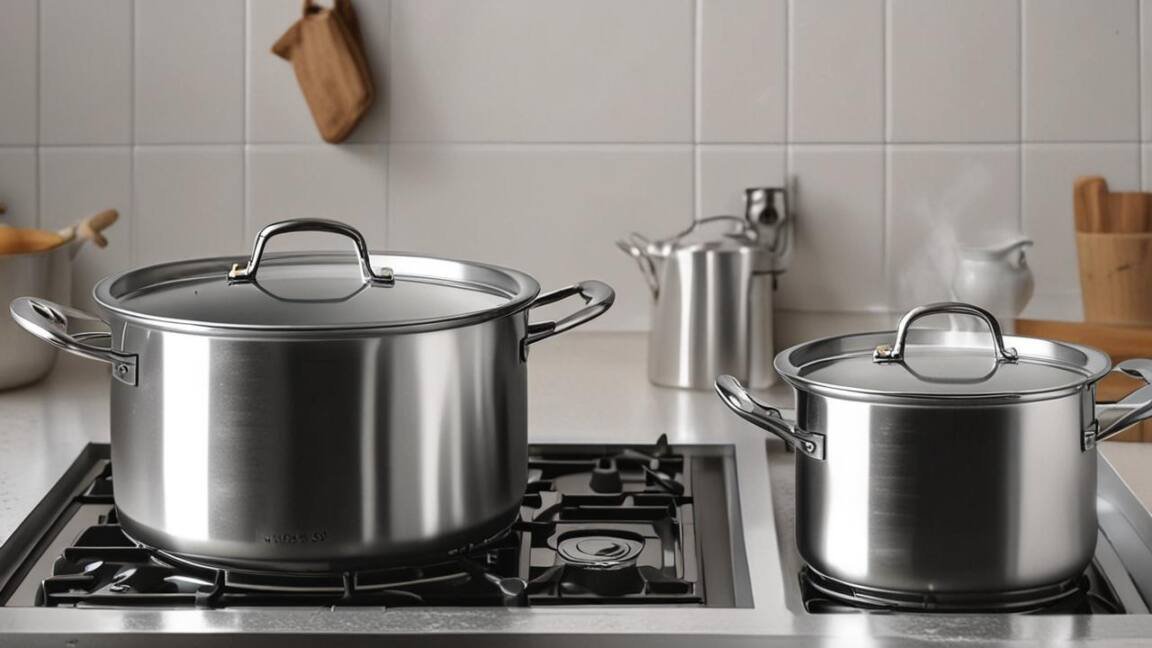
The Science Behind Stockpot Diameter and Boil Time
The rate at which water heats up depends directly on the amount of heat energy transferred to it. A stockpot diameter determines how much of its bottom surface contacts the heat source. More contact means more energy transfers directly into the water.
Heat transfer is measured in Btu/h (British thermal units per hour). A burner outputs a fixed amount of Btu/h. A wider pot captures a larger portion of this output.
This is why stockpot diameter affects pasta water boil time so significantly.
| Pot Diameter | Surface Area Contact | Relative Boil Time |
|---|---|---|
| 6 inches | 28 in² | Baseline (Slowest) |
| 8 inches | 50 in² | 30% Faster |
| 10 inches | 78 in² | 50% Faster |
| 12 inches | 113 in² | 65% Faster |
Several factors influence this heat transfer:
- Pot Material: Aluminum and copper conduct heat better than stainless steel.
- Burner Size: A pot wider than the burner loses efficiency at the edges.
- Water Volume: More water requires more energy, regardless of diameter.
- Lid Use: Trapping steam drastically reduces heat loss from evaporation.
The relationship is clear: diameter directly controls the maximum possible heat input. Maximizing diameter within your burner’s limits minimizes boil time.
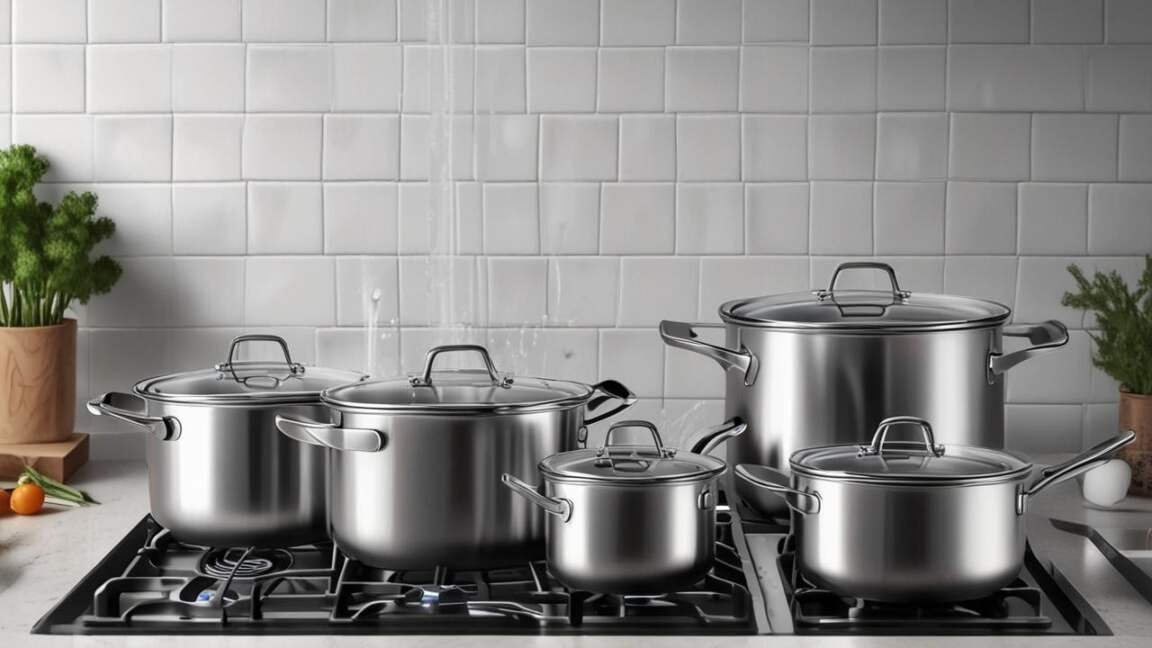
How Stockpot Diameter Affects Pasta Water Boil Time in Practice
Home cooks often choose tall stockpots because they hold more volume vertically. However, a 12-inch tall pot with a 6-inch diameter takes much longer to boil than a 6-inch tall pot with a 12-inch diameter. The volume is the same, but the heat transfer area is drastically different.
When you drop pasta into boiling water, the water temperature drops. A wider pot, with its larger heating surface, recovers its temperature faster. This is crucial for cooking pasta properly without turning it into a sticky mess.
Here are the key practical considerations:
- Boil Recovery: Wide pots recover boiling action faster after adding pasta.
- Evaporation Rate: Wide pots lose more water to steam. Account for this by using a lid.
- Stove Space: Wide pots dominate your cooktop. Plan your cooking workflow accordingly.
- Storage: Wide pots require more cabinet or pantry space than tall ones.
Tip: For the fastest boil, always use a lid. Using a lid can reduce boil time by up to 25% by preventing evaporative cooling.
Wide Pot vs. Narrow Pot: A Direct Comparison
Choosing between a wide pot and a narrow pot depends on your specific needs. The table below breaks down the key differences.
| Feature | Wide Stockpot (10-12 in) | Narrow Stockpot (6-8 in) |
|---|---|---|
| Boil Time (4 quarts) | Fast (8-12 min) | Slow (15-20 min) |
| Energy Efficiency | High (uses burner heat fully) | Low (wastes heat up the sides) |
| Evaporation Rate | High (must use lid) | Low (retains water) |
| Storage Footprint | Large | Small |
| Best Use | Pasta, stock, corn on the cob | Stews, sauce reduction, deep frying |
If you frequently cook pasta or large batches of soup, a wide stockpot is the better choice. Its primary advantage is speed, which relates directly to the fact that stockpot diameter affects pasta water boil time more than its height does.
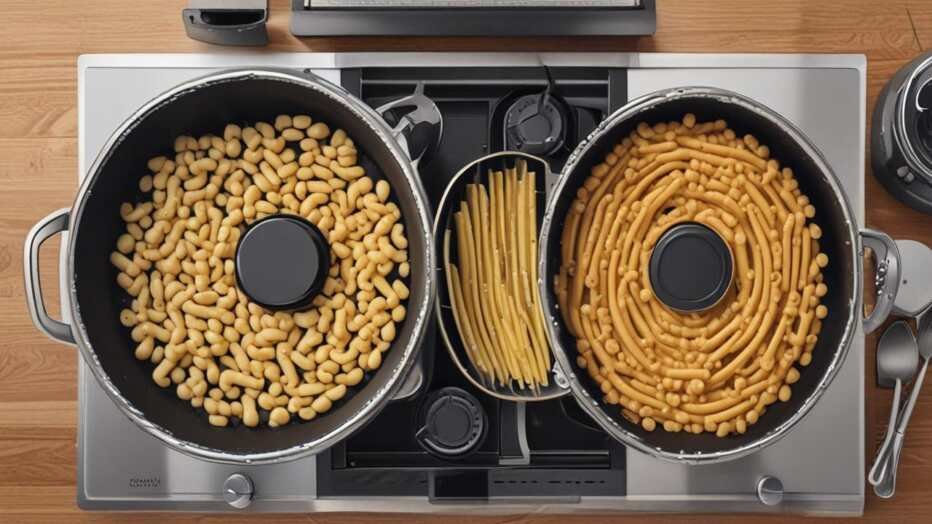
Choosing the Best Stockpot Diameter for Your Stove
Your stove type significantly impacts how well different pot diameters perform. Matching the pot to the burner is essential for efficiency.
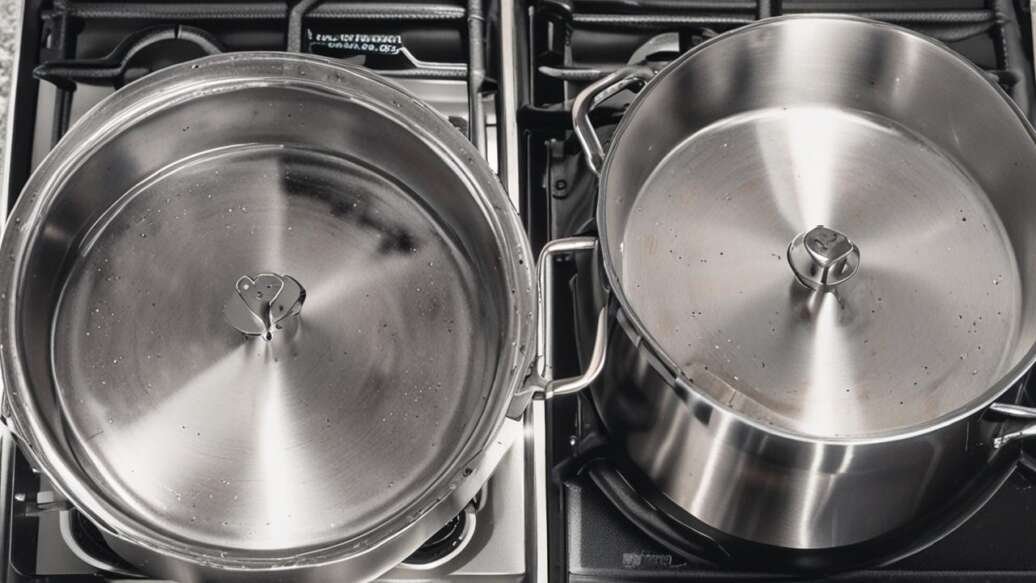
Gas stoves work exceptionally well with wide pots. A flame spreading out under a 10-12 inch pot provides excellent heat distribution. However, flames should not curl up the sides of the pot significantly, as this wastes energy.
Electric coil stoves require the pot diameter to be close to the coil diameter (within 2 inches). A wide pot on a small coil wastes most of its diameter advantage, proving that stockpot diameter affects pasta water boil time only when paired with a matching burner.
Induction cooktops need 100% surface contact between the pot and the burner zone. Wider pots are highly efficient here because induction transfers energy directly. A 10-inch pot on a 10-inch induction zone boils water extremely fast.
| Stove Type | Recommended Diameter | Note |
|---|---|---|
| Gas | 8 – 12 inches | Keep flame under the pot. |
| Electric Coil | 6 – 8 inches | Match coil diameter closely. |
| Induction | 6 – 12 inches | Full zone contact for best efficiency. |
Knowing your stove type helps you choose the right tool for the job.
Common Mistakes When Selecting a Stockpot
Warning: Using a stockpot that is much wider than your burner wastes energy and can damage the pot. Overhanging edges cool rapidly, leading to inefficient heating and potential warping.
Avoid these common pitfalls to get the best performance from your stockpot:
- Choosing Height Over Width: Tall, narrow pots are space-efficient but slow to boil. Prioritize width for speed.
- Ignoring Burner Size: The best 12-inch pot is useless on a 6-inch burner. Check your stove’s dimensions first.
- Skipping the Lid: Even the best diameter cannot overcome the heat loss from an open top. Always boil with a lid.
- Using Too Much Water: You only need enough water to submerge the pasta with room to expand. Excess water just takes longer to boil.
- Wrong Material: Thin stainless steel heats unevenly. Look for aluminum or copper core bonded to stainless.
Avoiding these mistakes ensures you capture the full benefit of your pot’s diameter.
Pro Tips for Boiling Pasta Water Faster
You already know stockpot diameter affects pasta water boil time. Now apply these professional tips to maximize your efficiency.
- Use the Largest Burner: Match your widest pot to your largest, most powerful burner.
- Start with Hot Tap Water: Hot water from the tap reaches the boiling point faster than cold water.
- Keep the Lid On: Until you add the pasta, keep the lid firmly on the pot to trap heat.
- Salt Strategically: Salt raises the boiling point slightly. Add it after the water reaches a rolling boil.
- Stir at Boil: Stirring helps distribute heat evenly and prevents hot spots.
Tip: For the fastest results, combine a wide diameter with a lid and the highest heat setting. You can reduce the heat once the pasta is added and the water returns to a boil.
What Is the Ideal Stockpot Diameter for Home Cooks?
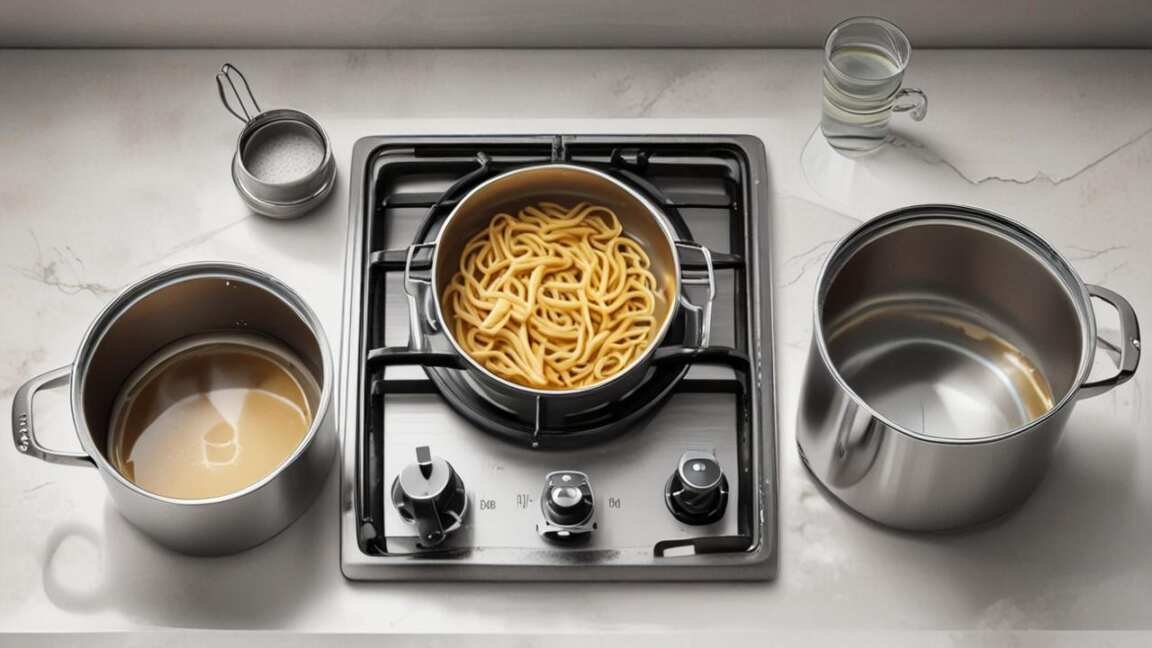
The best stockpot diameter depends on how many people you cook for and what you typically make. Here is a simple guide to help you choose.
| Household Size | Recommended Diameter | Volume Capacity |
|---|---|---|
| 1-2 people | 8 inches | 4-6 quarts |
| 3-4 people | 10 inches | 6-8 quarts |
| 5+ people | 12 inches | 8-12 quarts |
For most families, a 10-inch diameter stockpot offers the best balance. It fits standard burners, boils water quickly, and stores reasonably well. Remember that stockpot diameter affects pasta water boil time, so always prioritize width if speed is your goal.
How to Test Your Own Stockpot’s Efficiency
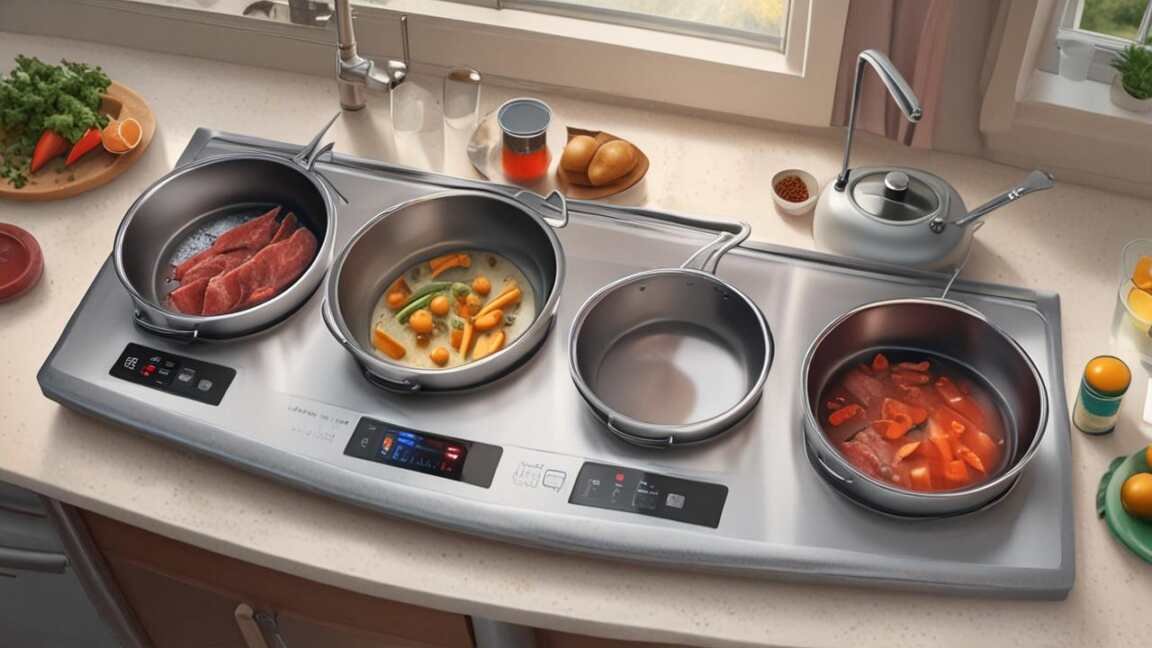
Curious about how your current pot performs? Run a simple test to measure the effect of its diameter on boil time.
- Measure the diameter of your stockpot.
- Fill it with exactly 4 quarts of cold tap water.
- Place it on your largest burner, set to high heat, with the lid on.
- Time how long it takes to reach a rolling boil.
- Repeat the test with a different diameter pot using the same water volume and burner setting.
Most people find that switching from a 6-inch diameter pot to a 10-inch diameter pot cuts their pasta water boil time nearly in half. This hands-on test confirms everything we have discussed.
Frequently Asked Questions
Does a wider pot boil water faster?
Yes, a wider pot of the same volume boils water significantly faster. The larger bottom surface area captures more heat from the burner, transferring more energy to the water per second.
What size stockpot is best for pasta?
A 10-inch diameter stockpot is ideal for most households. It provides a fast boil and fits standard US stove burners well. For smaller burners, an 8-inch pot is a better choice.
Does the shape of the pot affect boiling time?
Yes, shape matters greatly. A wide, shallow pot boils faster than a tall, narrow pot of equal volume. Tall pots sacrifice surface area for height, which slows down heat transfer.
Why does my water take so long to boil in a stockpot?
It likely has a narrow diameter relative to its height, or you are not using a lid. Also, check that your burner is large enough for the pot’s bottom. Overhanging pot edges waste heat.
Is it better to boil pasta in a wide or tall pot?
You should boil pasta in a wide pot. The extra surface area provides a fast boil and quick temperature recovery after adding the pasta. This helps the pasta cook evenly and prevents sticking.
Final Thoughts
Maximizing your stockpot diameter within your burner’s range is the easiest way to cut pasta water boil time. The science is simple: more surface area equals more heat transfer. Choose your widest pot, match it to your largest burner, and always use a lid for the fastest boil possible.

Leave a Reply