
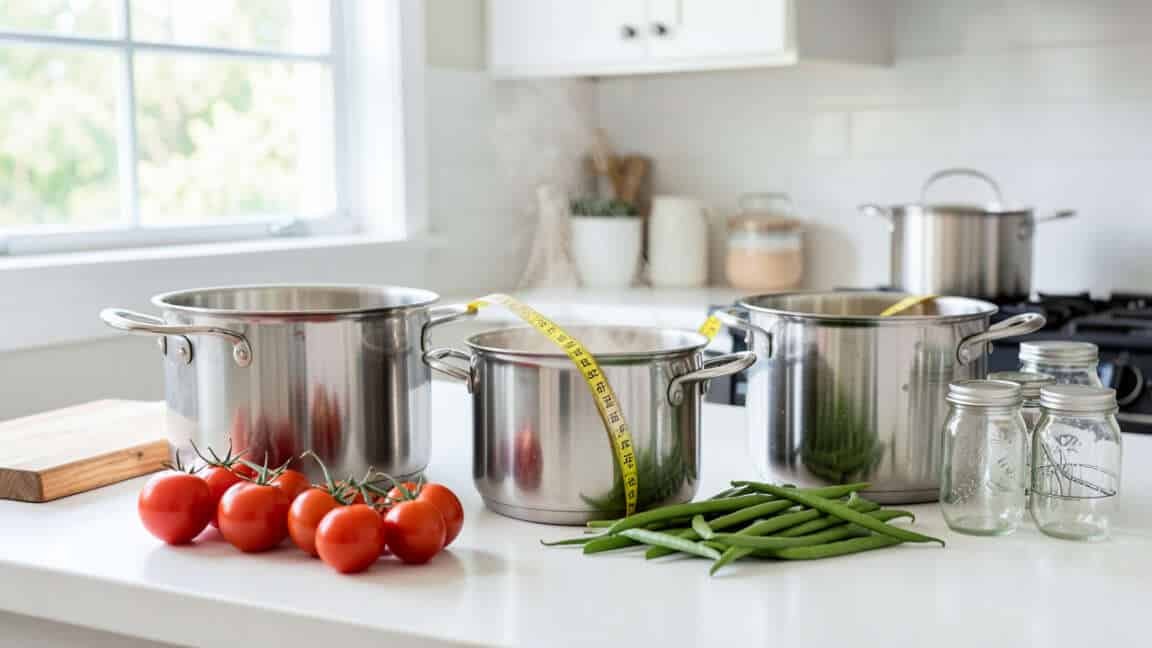
To pick a stockpot for canning without buying the wrong size, choose one that holds at least 21 to 34 quarts to accommodate jar height and water displacement. A thick stainless steel pot with an aluminum or copper core provides even heat and prevents reaction with acidic foods, while sturdy side handles and a tight-fitting lid ensure safe lifting and sealing. Confirming compatibility with your stovetop type—gas, electric, or induction—and the presence of an interior rack further guarantees efficient, safe batch processing.
Picking the right stockpot for canning ensures safe, efficient batch processing and prevents wasted time or ruined jars. This guide walks you through size, material, handles, and compatibility so you choose a pot that fits your stove, canner, and kitchen setup.
Simply put, the ideal canning stockpot holds at least 21 quarts, has a thick, even-heating bottom, tight-fitting lid, and sturdy side handles. Avoid thin aluminum or pots without an interior rack or compatible burner support.
Key Takeaways
- Stockpot size for canning should be 21 to 34 quarts to accommodate jar height and water displacement.
- Material matters – stainless steel with aluminum or copper core provides even heat without reacting with acidic foods.
- Handle design and lid fit directly affect safety when lifting heavy, full pots from the stove.
- Always confirm your stovetop type (gas, electric, induction) matches the pot’s bottom construction.
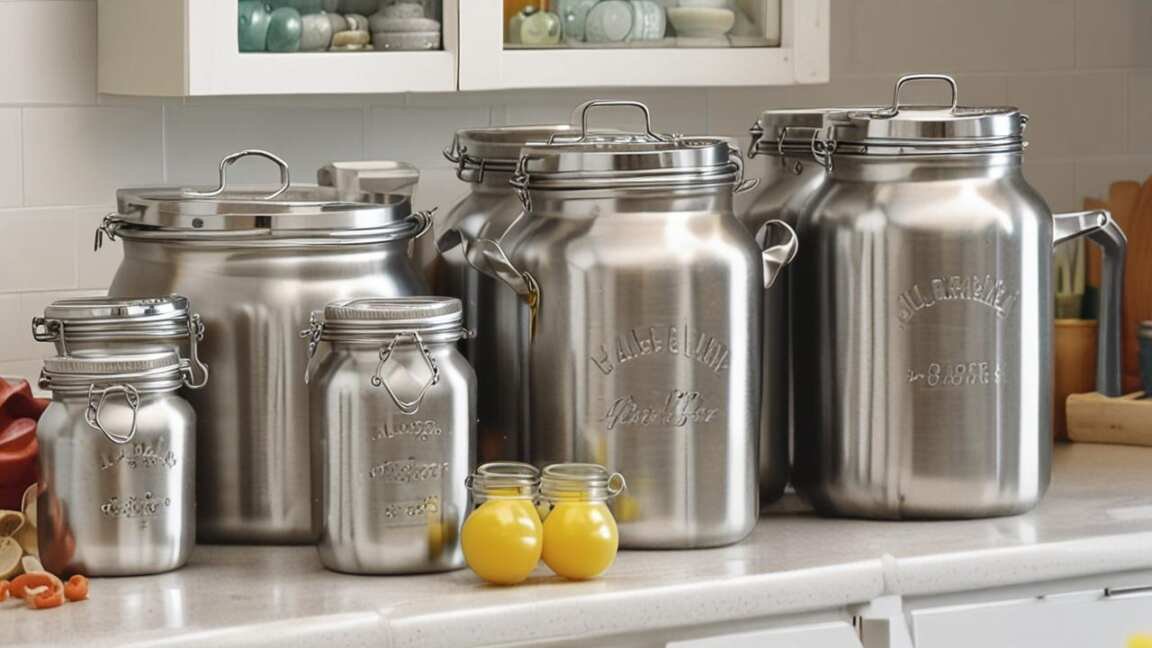
Step 1: Determine the Right Size for Your Canning Needs
The most common mistake is choosing a stockpot that is too small. For water bath canning, you need enough water to cover the jars by at least 1–2 inches plus space for rolling boil. For pressure canning, the pot must fit the canner without protruding.
Standard home canners require pots between 21 and 34 quarts. A 21-quart pot fits most water bath batches of 7 quart jars, while a 34-quart pot can handle 19 pint jars or larger loads.
Key size guidelines:
- Minimum height: 9 inches to fully submerge quart jars.
- Diameter: 12–14 inches to fit over large burners and allow boiling.
- Interior rack depth: at least 1 inch from the pot bottom to prevent jar breakage.
- Volume displacement: add 2–3 quarts extra for water lost to steam and food.
- Stockpot size for canning must be listed clearly on the product page – avoid guessing.
Warning: Using a stockpot smaller than 16 quarts for canning can cause dangerous boiling over, underprocessed jars, and potential seal failures.
Measure your stove burner diameter as well – a 14‑inch pot on a 6‑inch burner will heat unevenly. Also check your counter height and cabinet clearance to safely lift the full pot.
Step 2: Choose the Right Material for Durability and Heat Evenness
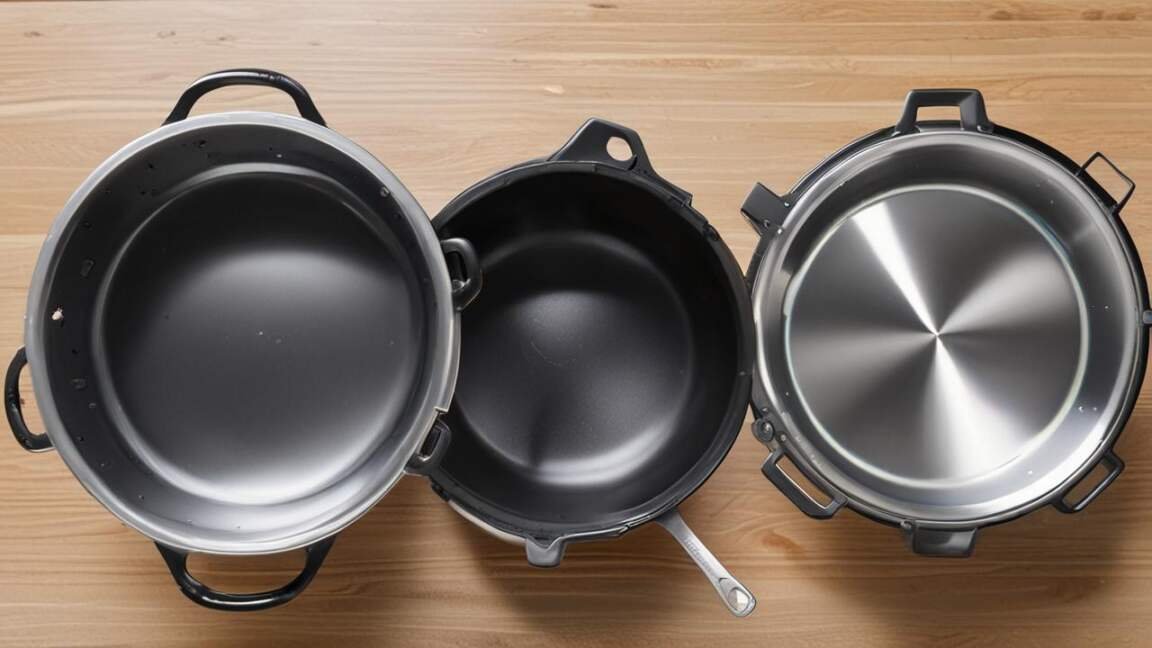
Stockpots for canning are typically made from stainless steel, aluminum (anodized or clad), enameled steel, or tri‑ply construction. Each material affects heat distribution, weight, and reactivity with acidic foods like tomatoes or pickles.
Material comparison table:
| Material | Pros | Cons |
|---|---|---|
| Stainless steel (tri‑ply) | Non‑reactive, even heating, dishwasher safe, induction‑compatible | Heavy, expensive, can scorch if too thin |
| Hard‑anodized aluminum | Lightweight, excellent heat conduction, non‑reactive, affordable | Not induction‑compatible, can discolor from high heat |
| Enameled steel | Attractive, non‑reactive, good heat retention | Chipping risk, heavy, less even heat than clad metals |
| Bare aluminum | Light, cheap, heats quickly | Reacts with acidic foods, warps easily, not induction‑safe |
For most home canners, a stainless steel pot with an aluminum or copper core (tri‑ply or five‑ply) offers the best balance of heat distribution, durability, and safety with acidic recipes. If you use an induction cooktop, ensure the pot has a magnetic stainless steel base – look for an “induction‑ready” label.
Tip: A 4‑mm thick bottom (or thicker) prevents hot spots that can crack jars. Test by holding the pot up to a straight edge – the bottom should be flat, not concave.
Step 3: Check for a Tight‑Fitting Lid and Interior Rack
A proper lid seals in steam and maintains steady temperature. Look for a glass lid with a metal rim or a fully metal lid with a tight latch. Glass lets you monitor boil level without lifting the lid, which reduces heat loss.
Most canning stockpots also include a perforated rack or basket that lifts jars out after processing. If the pot you like doesn’t come with one, buy a separate canning rack that fits the interior diameter.
What to verify about the lid and rack:
- Lid gasket (if present) should be silicone – rubber gaskets dry out faster.
- Rack handles should be heat‑resistant and tall enough to grip above the pot rim.
- Rack must sit at least ½ inch above the pot bottom to keep jars off direct heat.
- The lid should not warp during high heat – thick gauge metal prevents this.
- Test the lid seal by filling the pot with water and bringing to a boil – a good fit will hold steam without excessive leakage around the rim.
Some modern stockpots offer a “canning kit” that includes a rack, lid, and jar lifter. These all‑in‑one sets save time and ensure compatibility.
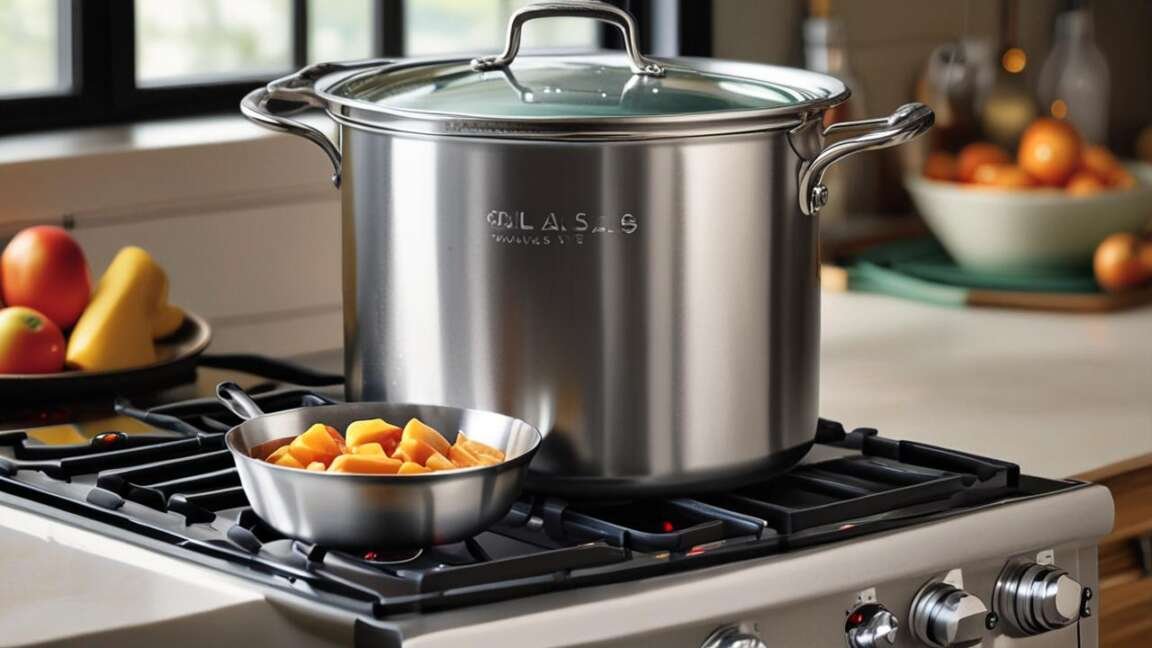
Step 4: Look for Sturdy Handles and Construction That Withstand Weight
When the stockpot is full of water and jars, it can weigh 40–60 pounds. Weak spot‑welded handles or thin metal rims can bend or break, causing severe burns.
Handle types compared:
| Handle Type | Best For | Checkpoints |
|---|---|---|
| Side loop handles (riveted) | Most canning pots | Rivets must be flush inside; handles should be silicone or thick plastic |
| Long cast‑iron handles | Large pots on gas ranges | May not fit in oven; often get hot during boiling |
| Two short helper handles | Easier to grip with both hands | Make sure they are opposite each other and long enough for oven mitts |
Always test the handles at the store (if possible) by gripping them with an oven mitt. The handles should feel solid, not wobble. Avoid pots with hollow or thin stamped metal handles – they heat up quickly and offer poor leverage.
Additionally, inspect the pot rim: a rolled or encapsulated rim prevents sharp edges and warping. A flat, straight rim ensures the lid sits flush every time.
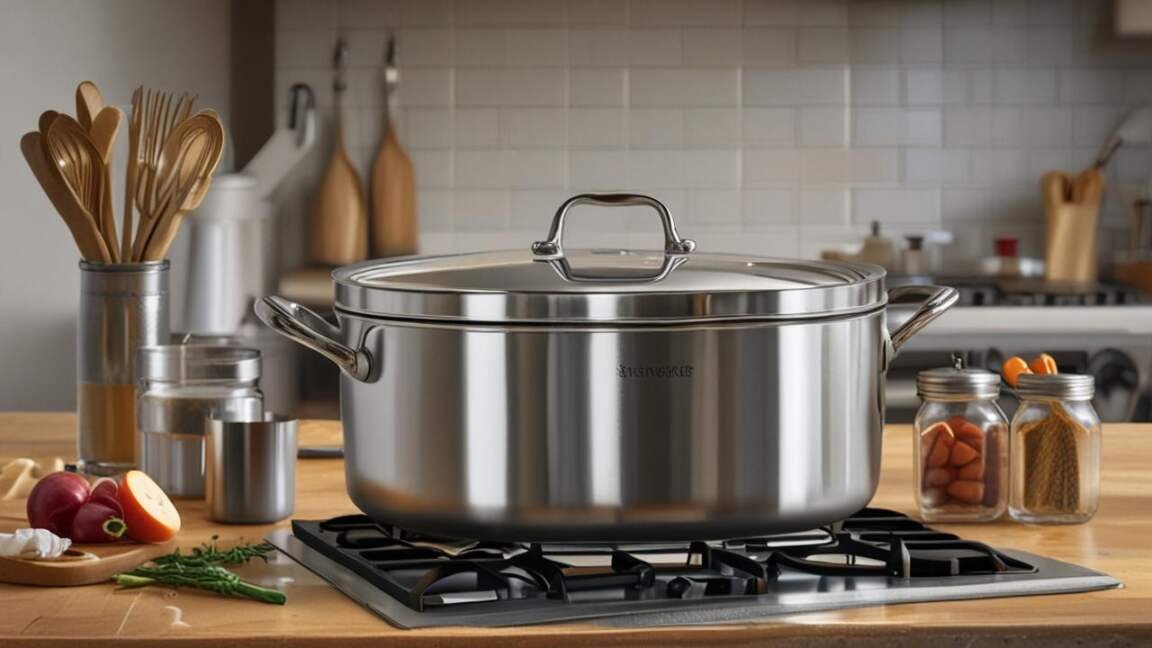
Step 5: Ensure Compatibility With Your Stovetop and Canner
Not all stockpots work on all stoves. Induction cooktops require a magnetic bottom – a quick test: stick a magnet to the bottom. If it sticks, the pot is induction‑safe.
Electric coil burners are more forgiving but need a flat, thick bottom to prevent scorching.
Gas stoves accept any pot, but the flames should not lick up the sides – that wastes energy and can discolor the pot. The pot diameter should be no more than 2 inches larger than the burner diameter.
Key compatibility factors:
- Canner type: Water bath canners usually sit directly on the stove; pressure canners are self‑contained but still need a pot for the canning vessel itself. Some “all‑in‑one” systems combine a stockpot with a pressure canner – verify the product description.
- Oven safety: If you plan to use the stockpot for oven canning (though less common), check the maximum temperature rating – usually 400°F for stainless steel.
- Weight capacity of stovetop: Some glass‑top stoves have weight limits around 50 pounds; a full 34‑quart pot may exceed that.
- Lid clearance: Above the stove, your range hood or cabinet may limit how high the pot can be lifted with the lid on.
Important: Never use a stockpot for canning that is designed as a “spaghetti pot” with an inner colander – those lack the necessary height and flat bottom for even heat distribution.
Common Mistakes to Avoid When Picking a Stockpot for Canning
Even experienced home canners sometimes choose a pot that looks good on paper but fails in practice. Understanding these pitfalls will save you money and prevent spoiled preserves.
- Buying a pot that’s too tall – A 12‑inch tall pot may not fit under a range hood when full. Measure your vertical clearance.
- Ignoring the weight – A 34‑quart tri‑ply pot can weigh 18 pounds empty; add water and jars and you’ll need help lifting it.
- Choosing thin aluminum – Bare aluminum dents easily and reacts with tomatoes, causing off‑flavors and discoloration.
- Forgetting the rack – Without a rack, jars sit directly on the hot bottom and can shatter. Always include a canning rack in your shopping list.
- Opting for a non‑stick coating – Non‑stick surfaces can flake at high boiling temperatures and are not recommended for canning.
- Not checking the warranty – Quality canning stockpots come with a lifetime warranty. Avoid brands that offer only a one‑year guarantee.
According to a survey by the National Center for Home Food Preservation, nearly 1 in 3 first‑time canners purchase a pot that is too small or the wrong material. Taking a few minutes to measure and compare prevents that frustration.
Step 6: Compare Prices and Read Reviews – Look for Real‑World Feedback
Once you’ve narrowed down size, material, and compatibility, compare prices across retailers. A high‑quality 21‑quart tri‑ply stockpot costs between $120 and $250. An enameled steel pot might be $60–$100 but wears faster.
Price range by material (approximate):
| Material | Typical Price Range (21–34 qt) | Where to Buy |
|---|---|---|
| Tri‑ply stainless steel | $120 – $280 | Amazon, Williams Sonoma, Sur La Table |
| Hard‑anodized aluminum | $80 – $180 | Target, Walmart, Amazon |
| Enameled steel | $50 – $110 | T.J. Maxx, HomeGoods, Amazon |
Read reviews specifically for canning use. Look for comments about “even boiling,” “no hot spots,” and “handles stay cool.” Avoid pots with repeated mentions of warping or lid‑fit issues. Check the manufacturer’s website for detailed specs – some brands, like All‑Clad or Cuisinart, offer dedicated canning models with reinforced handles and thicker bases.
Step 7: Consider Future Needs – The Versatility of Your Stockpot
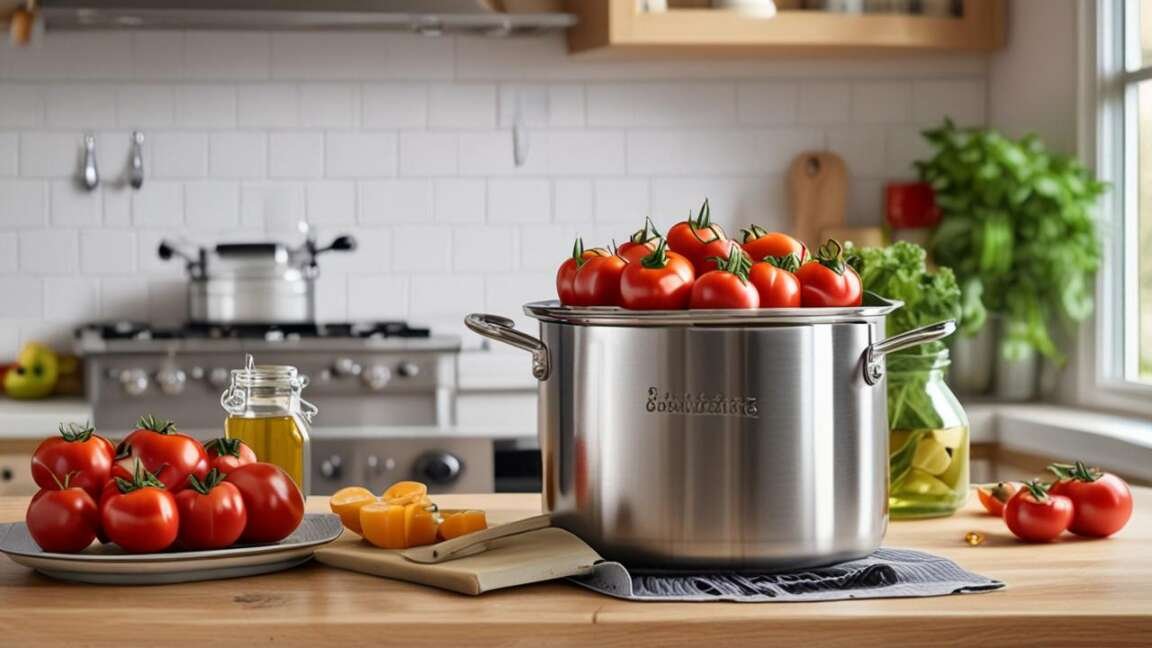
A great canning stockpot can double as a soup pot, pasta pot, or seafood steamer. If you plan to use it for other cooking, look for features like measurement markings inside, a straining lid, or a steamer basket insert.
Multi‑use features to prioritize:
- Internal quart/liter markings – helps with water‑level tracking without a ruler.
- Stainless steel interior – easy to clean and won’t absorb flavors.
- Oven safe to at least 350°F – lets you braise or roast in the same pot.
- Wide handles – allow you to pour without dripping.
- Flat, induction‑compatible bottom – future‑proof if you change stoves.
The University of Georgia Cooperative Extension recommends using a single large pot for canning and everyday cooking to save storage space. A 24‑quart tri‑ply pot is a sweet spot: it processes a standard batch of quart jars and also cooks a pot roast for 12 people.
Frequently Asked Questions
Can I use any large stockpot for canning?
No. The pot must be deep enough to cover jars with 1–2 inches of water, have a flat bottom for even heat, and include a canning rack. Avoid pots with non‑stick coatings or thin aluminum that can warp.
What is the best stockpot size for canning?
For most home canners, a 21‑quart stockpot is the minimum. A 34‑quart pot is better for large batches (19 pints). Always match the pot diameter to your burner size.
Is a 12‑quart stockpot too small for canning?
Yes, 12 quarts is too small. Standard quart jars are about 7 inches tall; you need at least 9 inches of water depth. A 12‑quart pot is only about 8 inches deep – not enough to submerge jars safely.
How do I know if my stockpot is induction‑safe for canning?
Hold a magnet to the bottom. If the magnet sticks firmly, the pot is induction‑compatible. If it slides off or doesn’t attach, you need a pot with a magnetic stainless steel layer.
Should I buy a stockpot with a glass lid for canning?
Yes, a glass lid helps you monitor boil level without lifting it. Make sure the lid has a metal rim and a steam vent hole to prevent pressure buildup.
Final Thoughts
Choosing the right stockpot for canning comes down to size (21–34 quarts), material (tri‑ply stainless or hard‑anodized aluminum), and sturdy handles with a proper rack. Avoid thin, reactive metals and always measure your stove and clearance before buying. A versatile, high‑quality pot will serve you for decades of safe, successful canning.

Leave a Reply